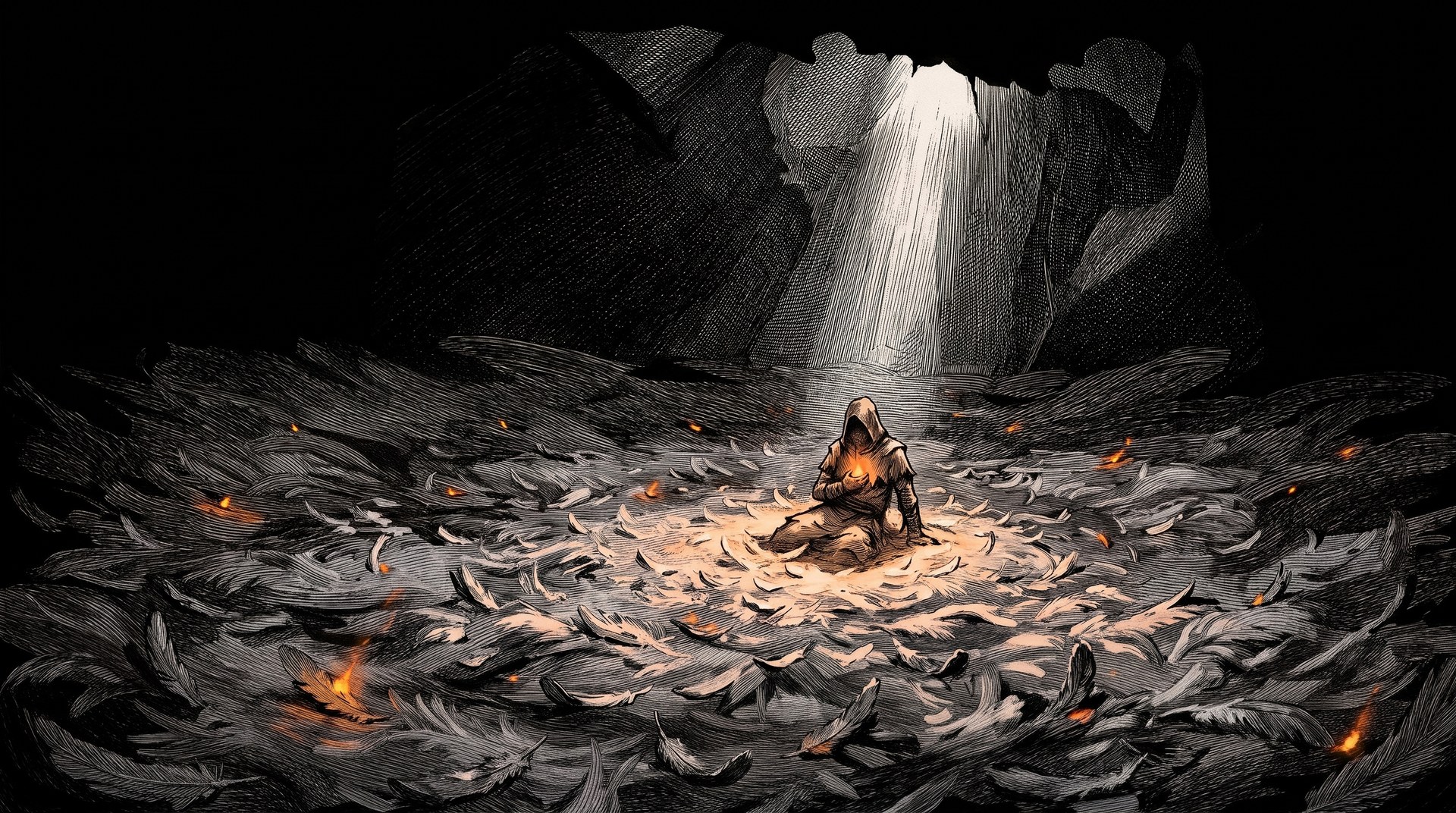

A fallen kneels on a floor of grey feathers under a shaft of light, a coal glowing in its hands.

Road to Redemption

You wake on a floor of grey feathers, with a coal in your chest and no name. Somewhere far above is the light you fell from.

A co-op action RPG in the spirit of Path of Exile. Climb back through the hordes, alone or with three friends.

How it playsPlan a build

A playable co-op build exists. The paintings are where it is going.

What it is to play

Four promises, and what stands behind each one in the build today.

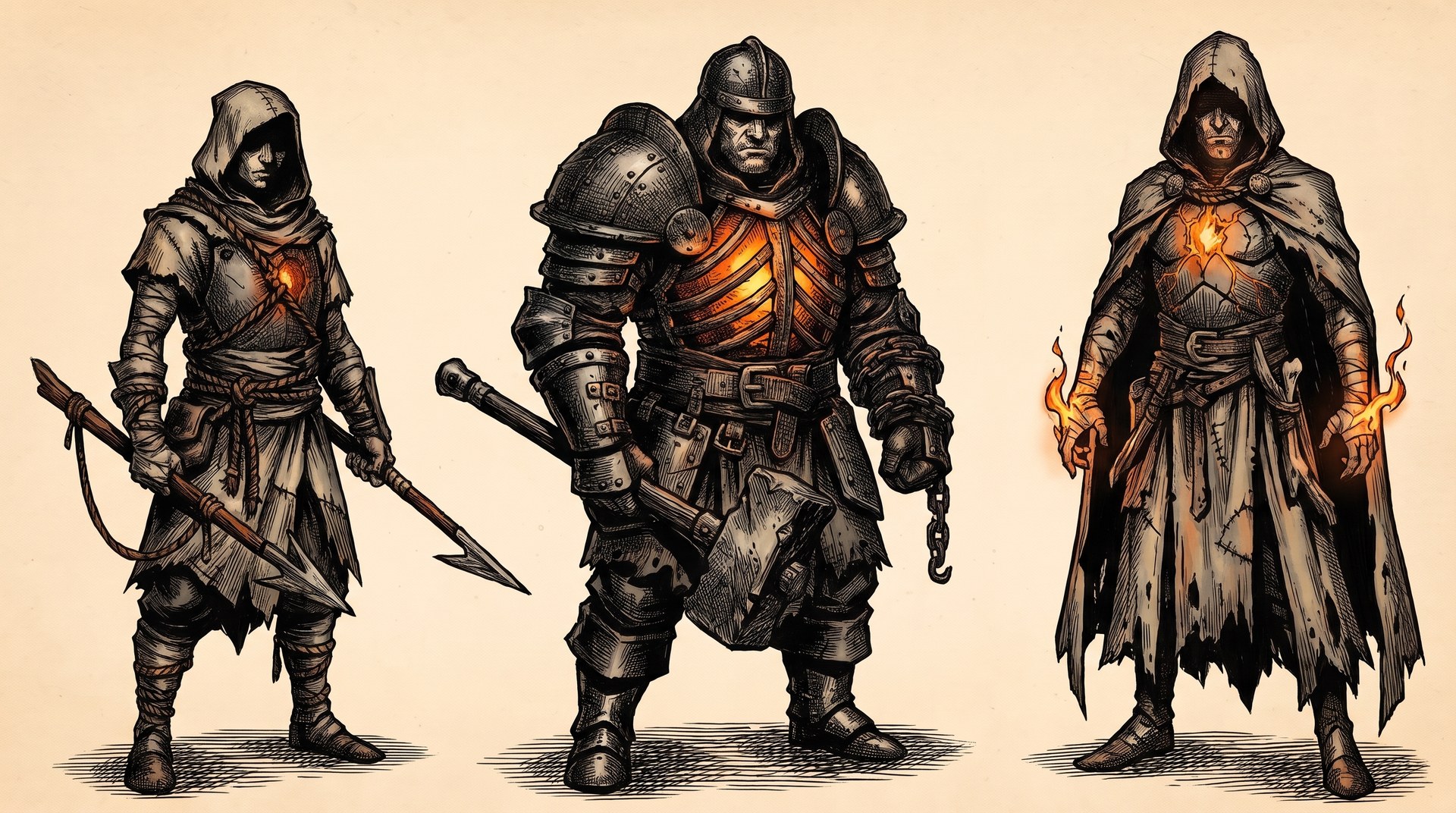
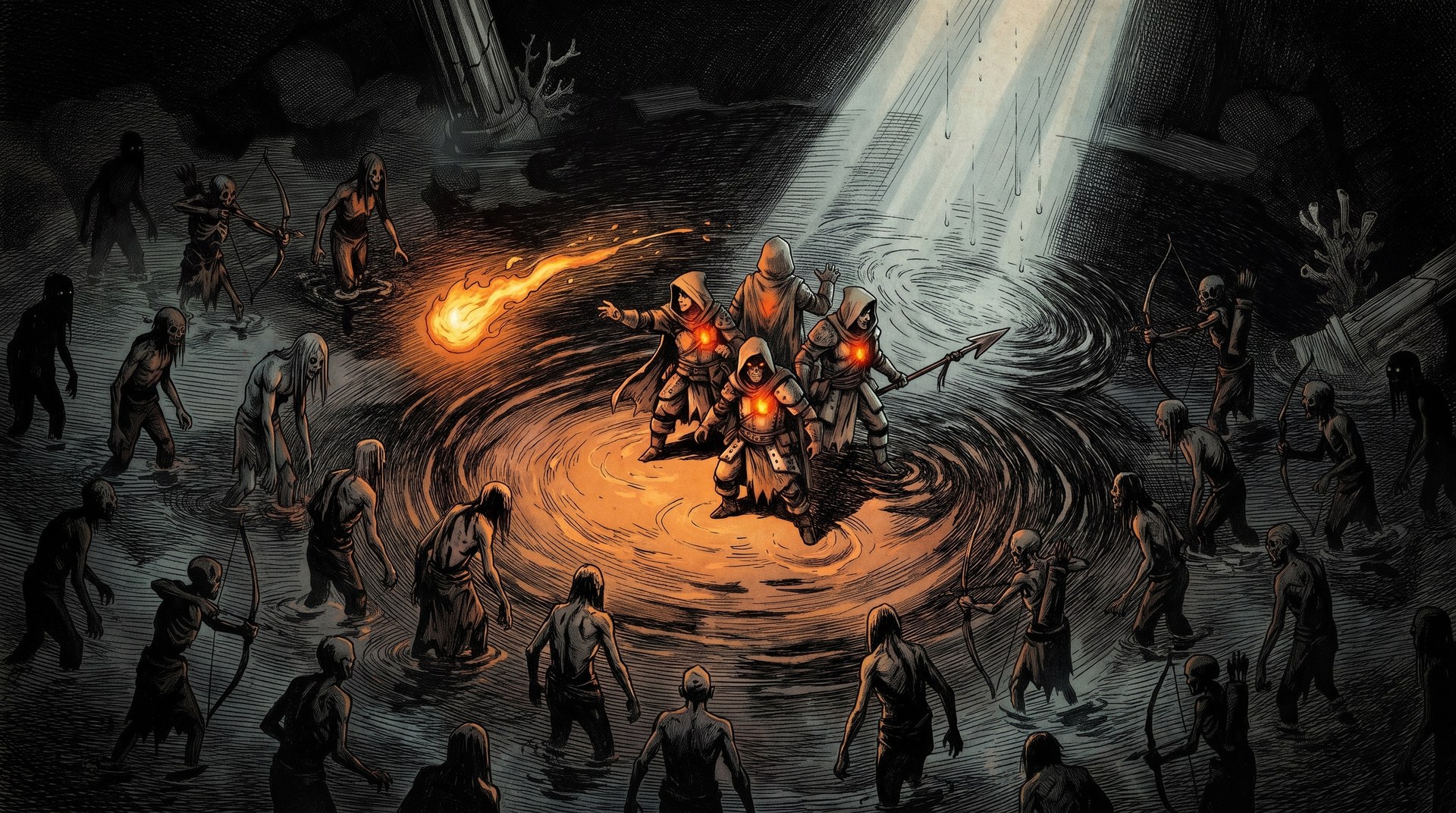
A party holds its light against the horde.Art in progress
A party holds its light against the horde.

Hordes without hitches

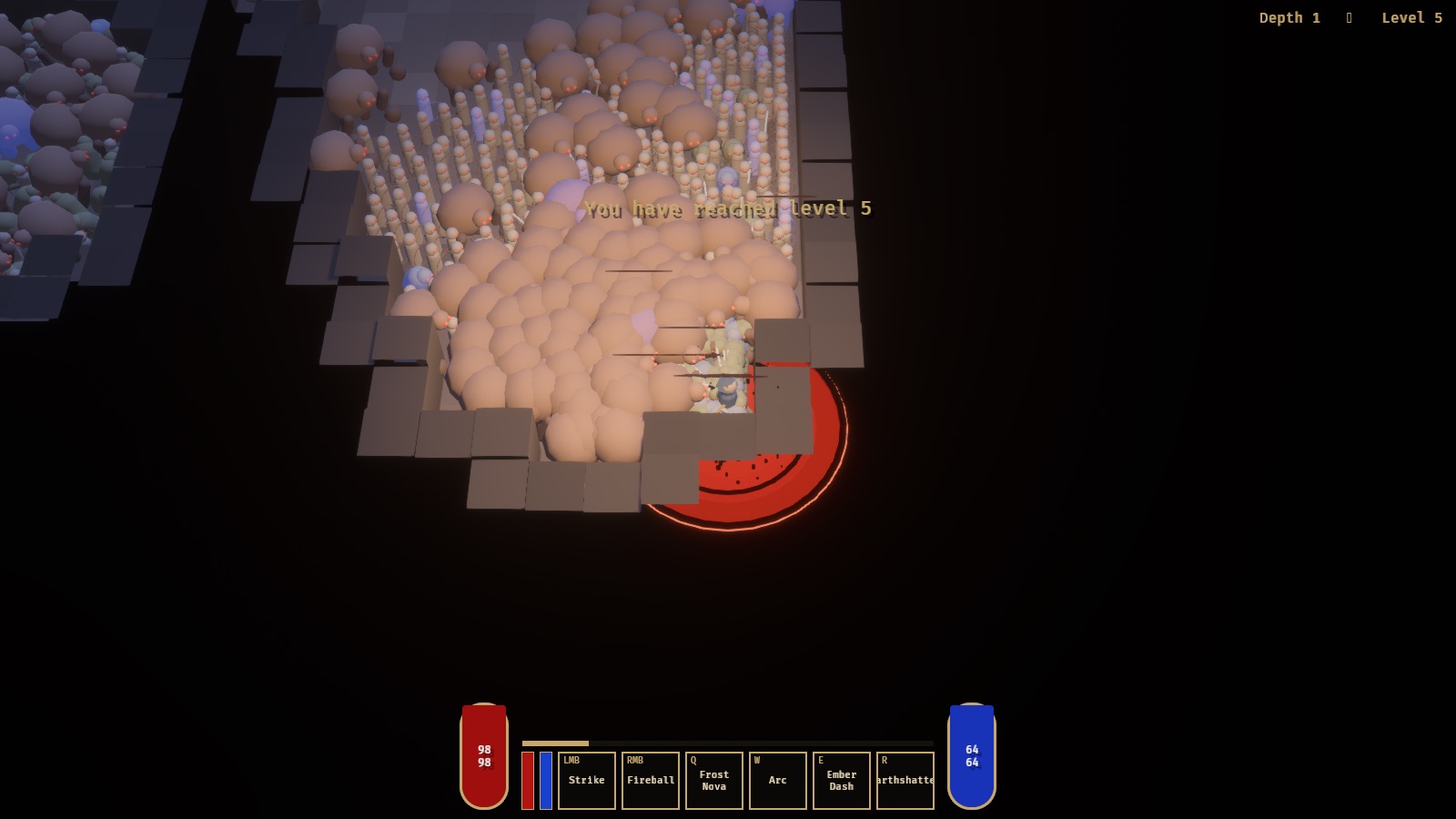
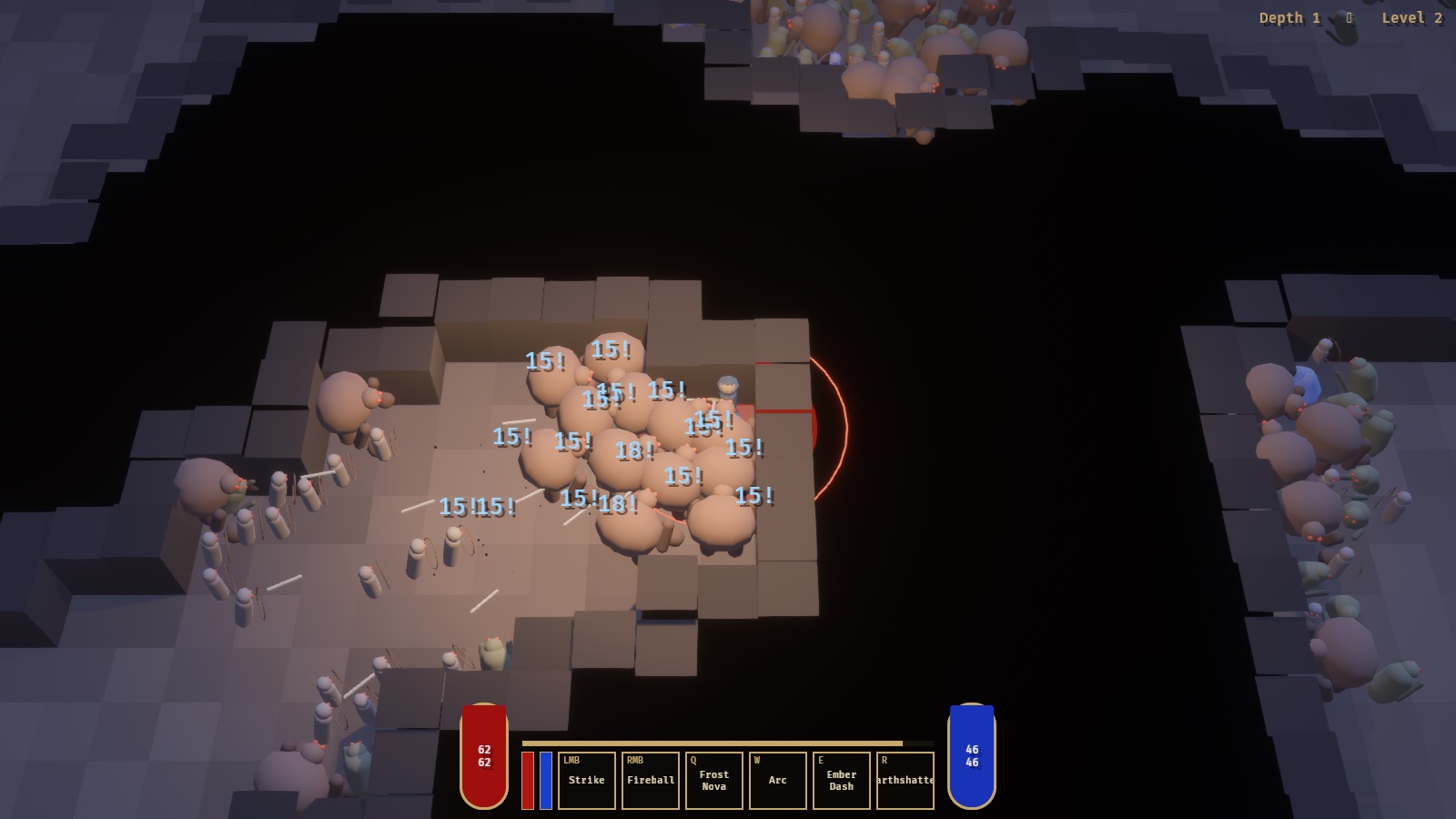
Hundreds of monsters on screen is the normal case, and thousands is a good night. Performance is a feature: every system has a budget and is measured before and after it changes, so the screen can fill up the way Path of Exile's does.

Measured on an M2 Pro, 2,000 monsters crowding a player: the simulation takes 0.46 ms/tick avg, p99 0.66 (1.4% of budget), and the client draws them at 82 FPS at Retina resolution.
Builds worth theorycrafting

Loot with random affixes, currency that changes items rather than buying them, skill gems with their own supports, and a passive tree. Two players should never build the same character by accident.

In the game: 45 item bases, 34 affixes with up to five tiers, 7 uniques and 8 currencies, an inventory and crafting.

Alone or with friends

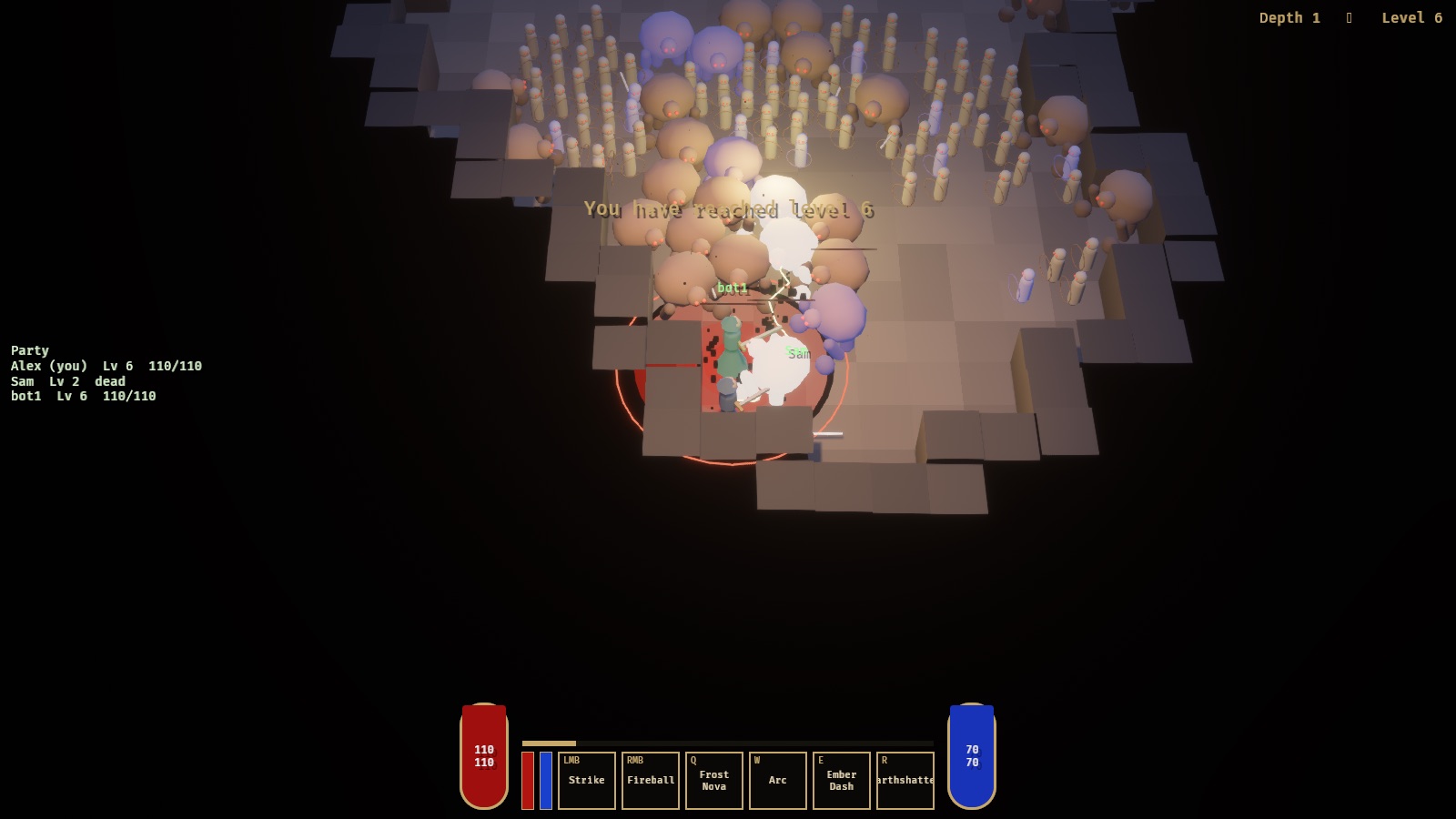
Everything works solo. With friends it is two to four players on a server that owns the world, and everyone gets their own drops, so nobody races for loot. One coal dies; a heap of them burns till morning.

Running: an authoritative server at 30 ticks a second, your own movement predicted. With 2,000 monsters around you, snapshots cost 2.5 KB, 74 KB/s per client. Solo is the same server on your machine.

A forever game

Road to Redemption is never finished. New monsters, skills, items and depths keep arriving, and the game you play next month is bigger than this one without being slower. The wiki is generated from the game's code, so it grows with it.

Today: six monster families, six skills, endless generated depths.

The way up

Every fallen who reaches the top brings one more question than it took up.

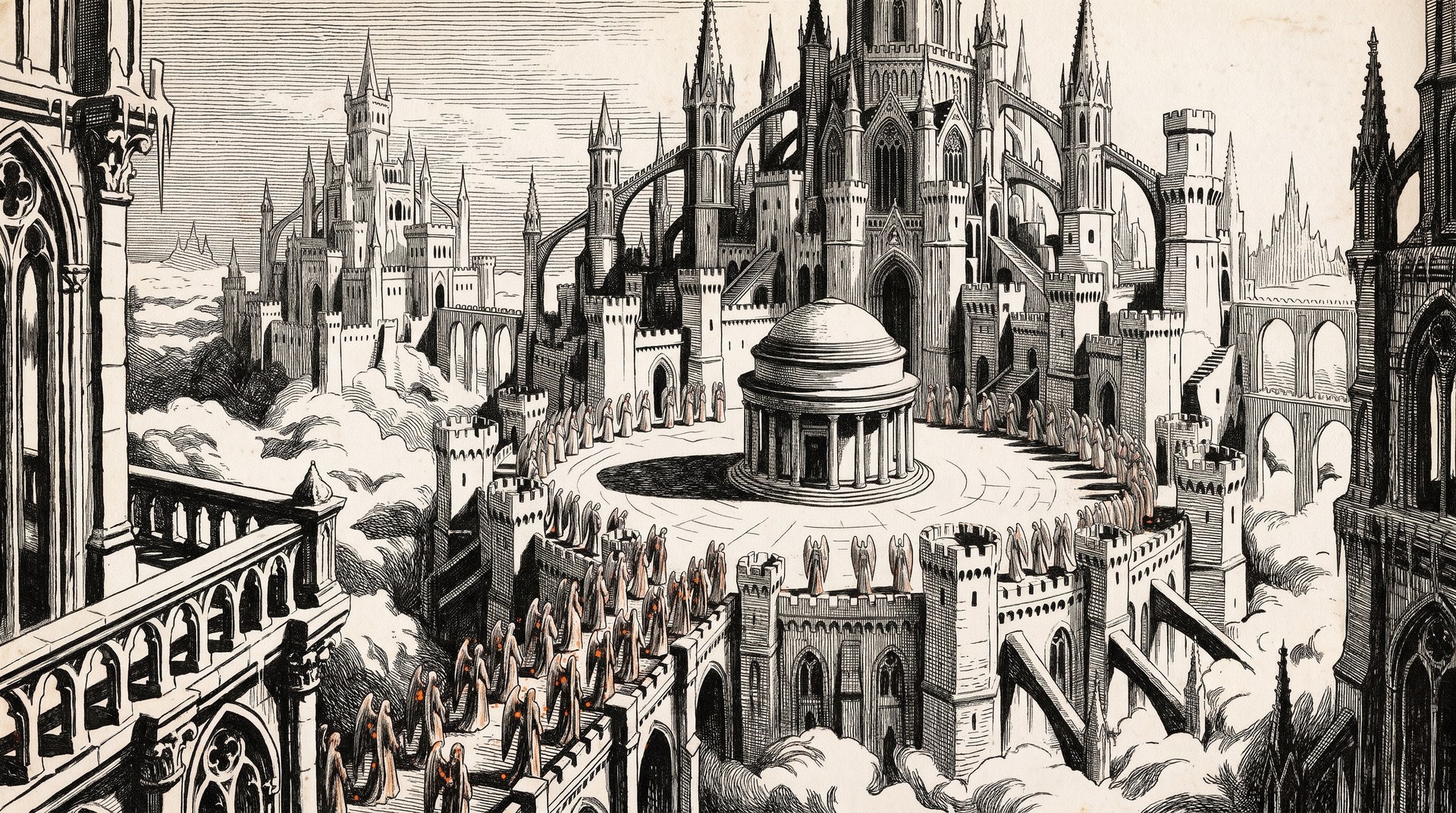
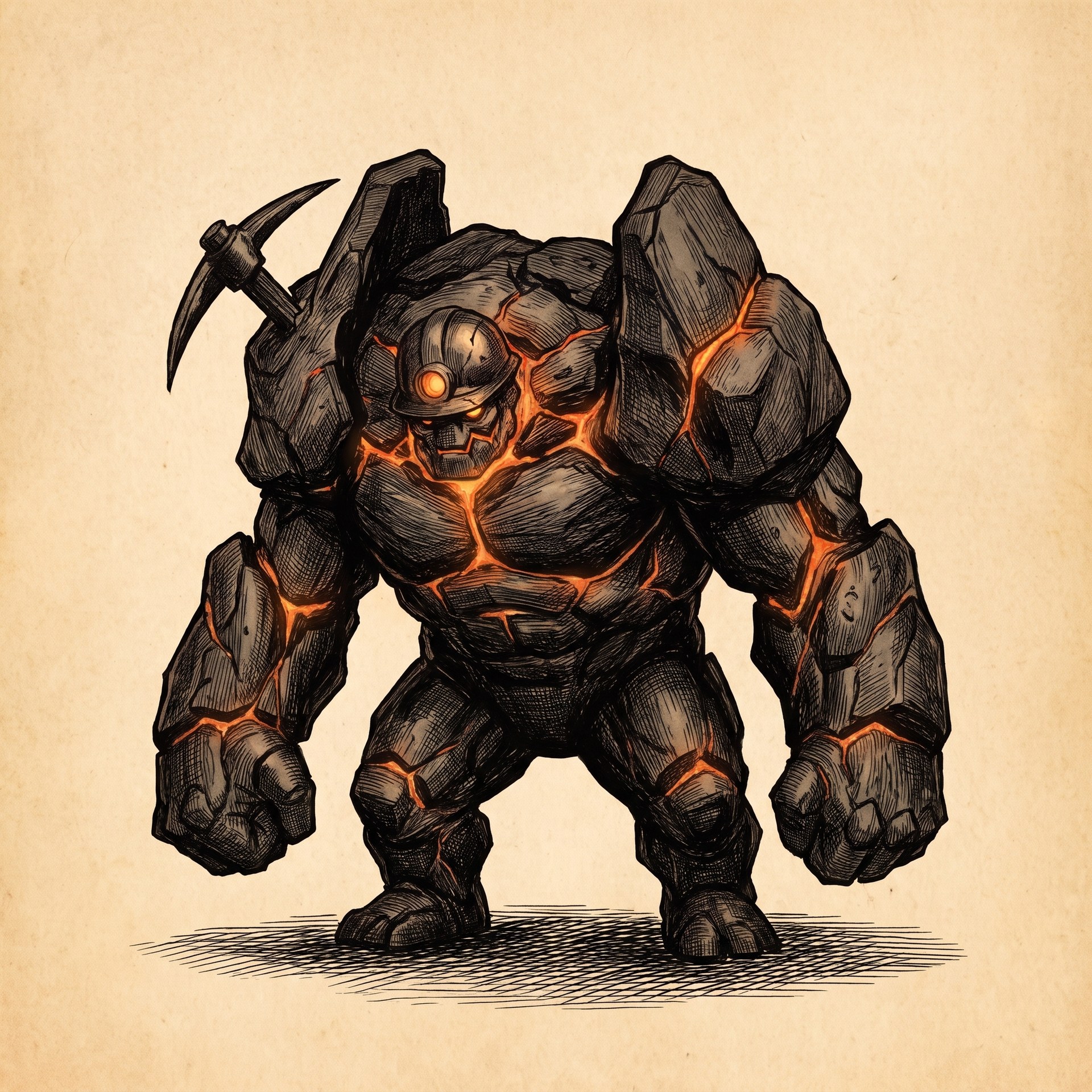
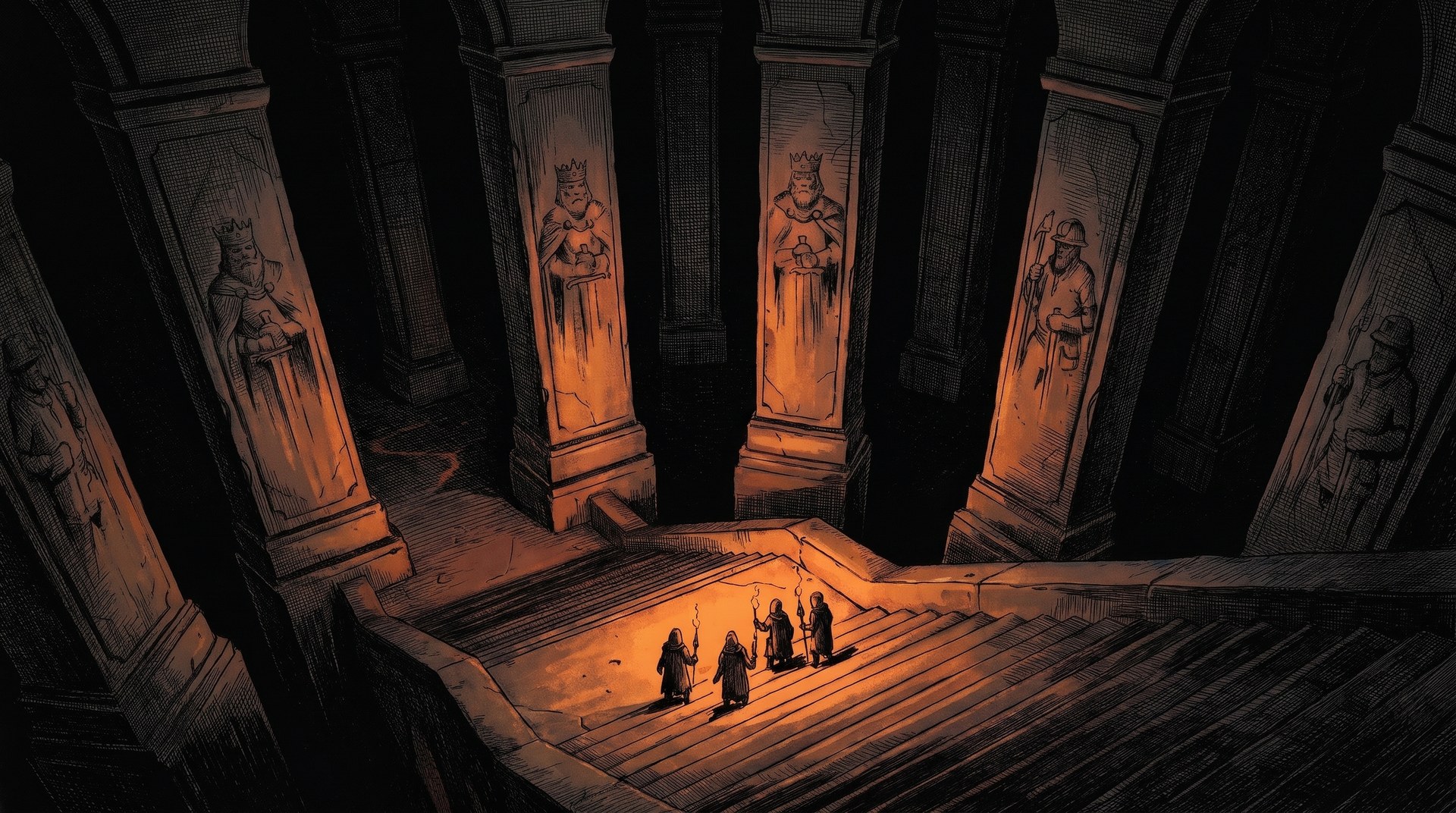
Who dug these halls, and what were they mining?Art in progress
Who dug these halls, and what were they mining?
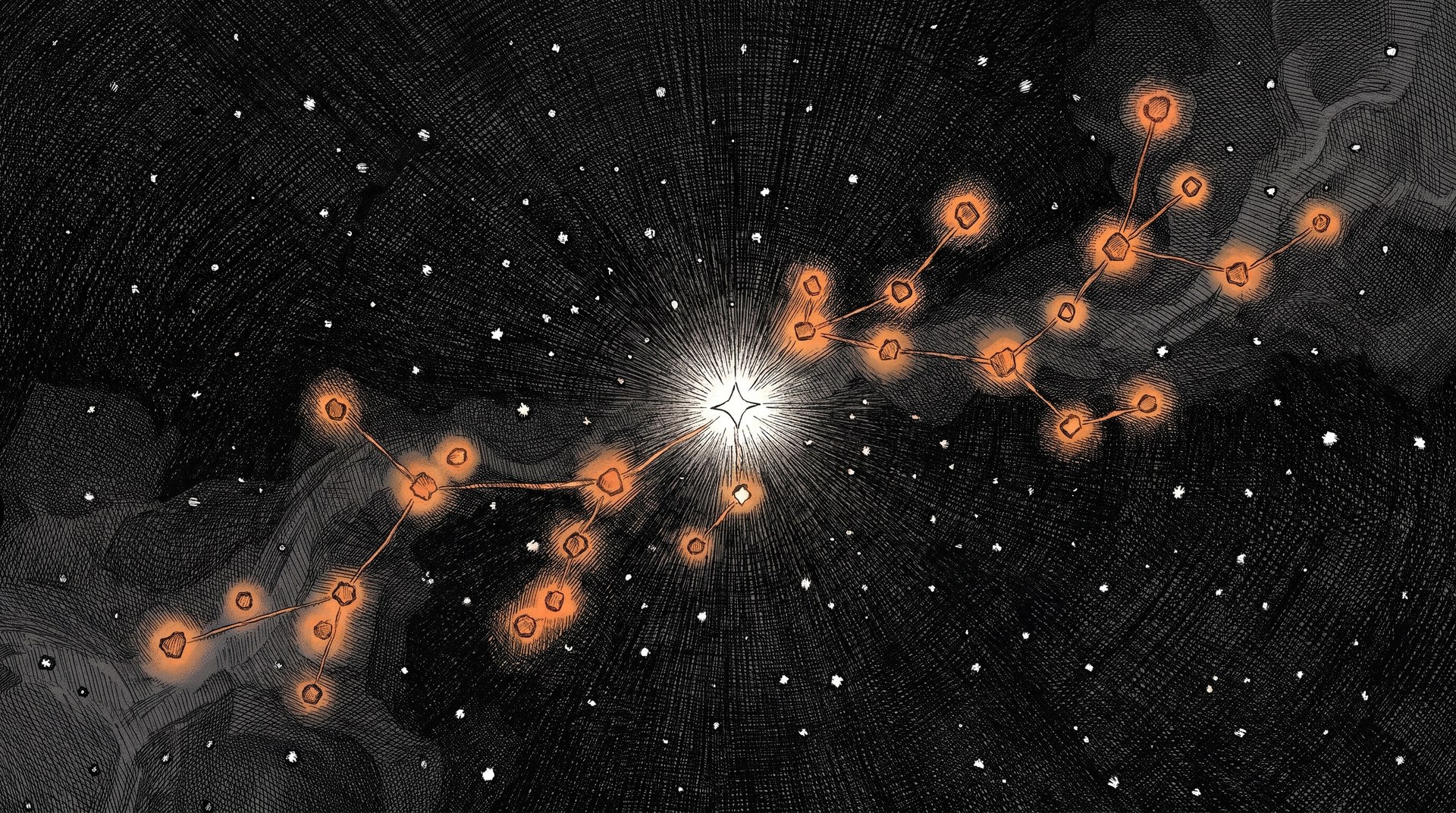
Why is the drowned king's floor still dry?Art in progress
Why is the drowned king's floor still dry?
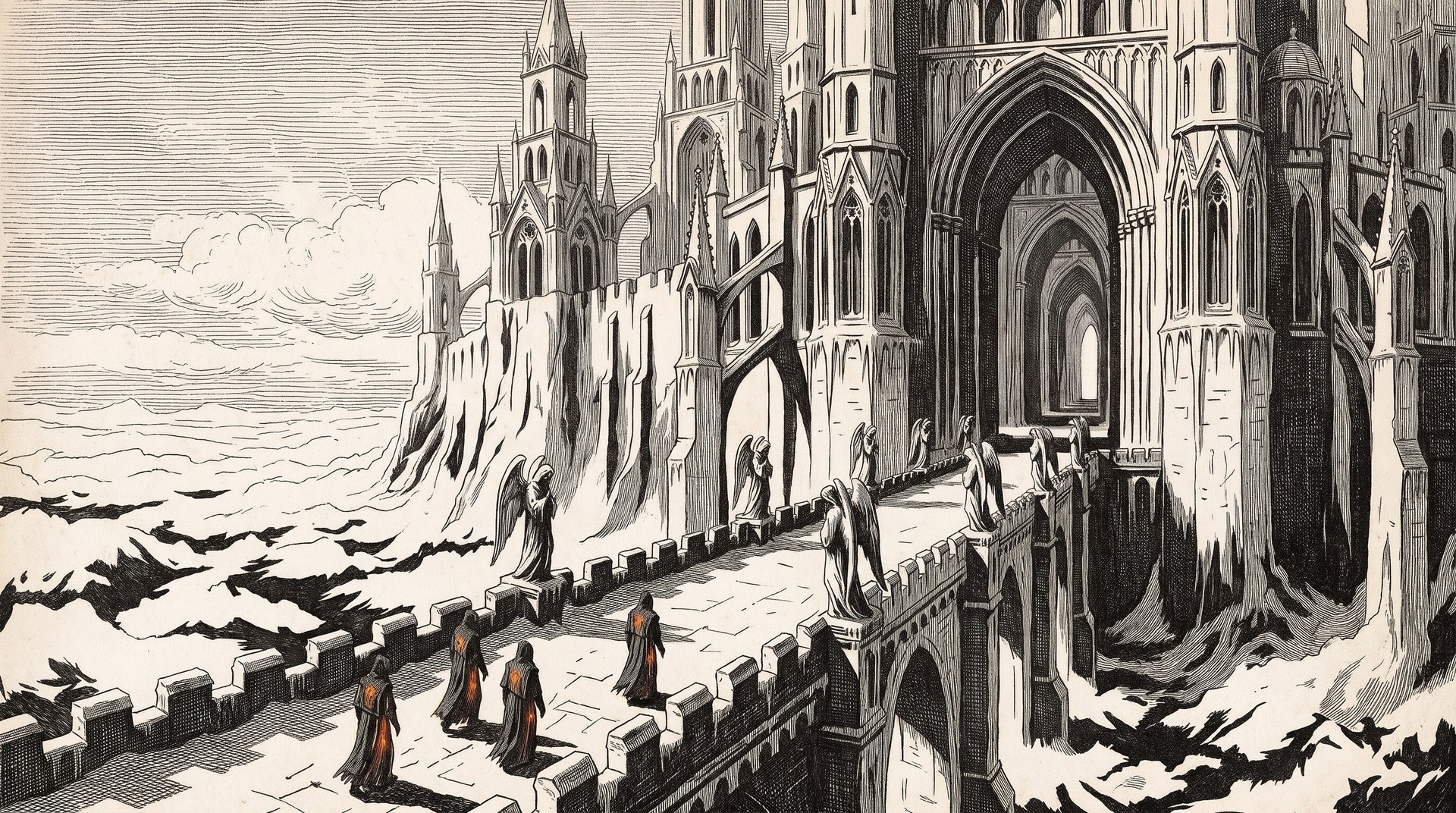
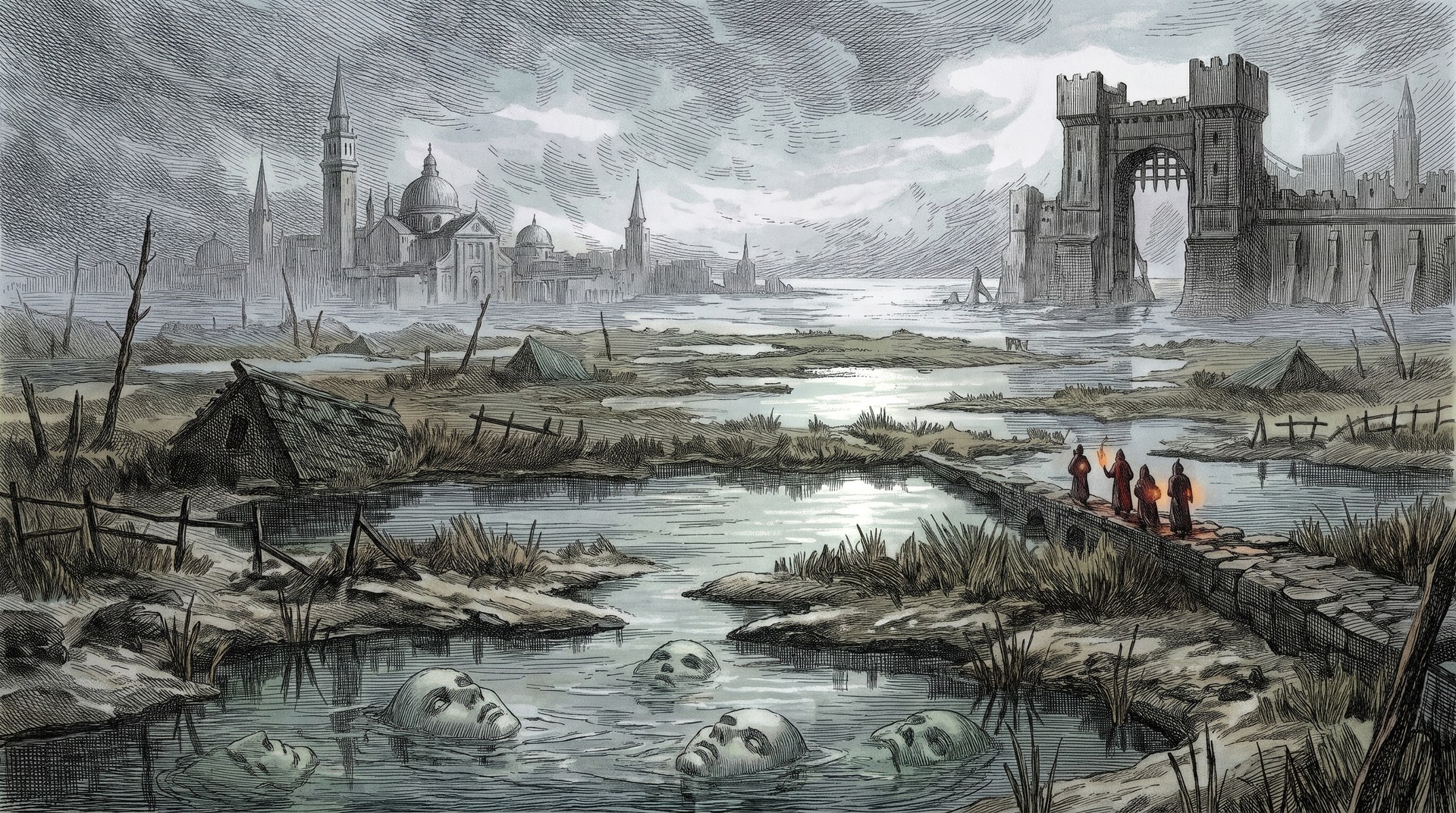
Why do the angels on the bridge never move?Art in progress
Why do the angels on the bridge never move?

Ways in

Where it stands

There is a playable build: stand-in models under real lighting, a fixed cast of monsters and skills, loot and crafting, and caves that go on forever. That is the deep where the climb begins, without the acts above it. The paintings on this site are where it is heading; the frames below are what it looks like today.

Lit: in the build today

  • Co-op. Two to four players on an authoritative server; solo is a local server with one player. Friends join by address.
  • Hordes. Six monster families, magic and rare packs with modifiers. 2,000 awake monsters: 0.46 ms/tick avg, p99 0.66 (1.4% of budget).
  • Six skills. Strike, Earthshatter, Fireball, Arc, Frost Nova, Ember Dash, plus two flasks.
  • The deep. Generated caves, a portal on to the next depth, no end.
  • Loot and crafting. Items with random modifiers, drops per player, an inventory with equipment, and all eight currencies.

Unlit: still to come, in roadmap order

  • Progression. Attributes, skill gems with their supports, the Rose (the passive tree), and characters that persist between sessions.
  • Art, effects and sound. Real models and animation, GPU particles, the look set out in the art direction.
  • The campaign. Three acts, climbing from the deep toward the light.
  • Maps and the hideout. The endgame, opened from your hideout, where friends drop in.

Real renders from the current build: placeholder art, real hordes

Numbers are measured and published with how they were taken: see Built for hordes and the roadmap. Every page is marked In game, Decided or Concept, so you can tell which is which.